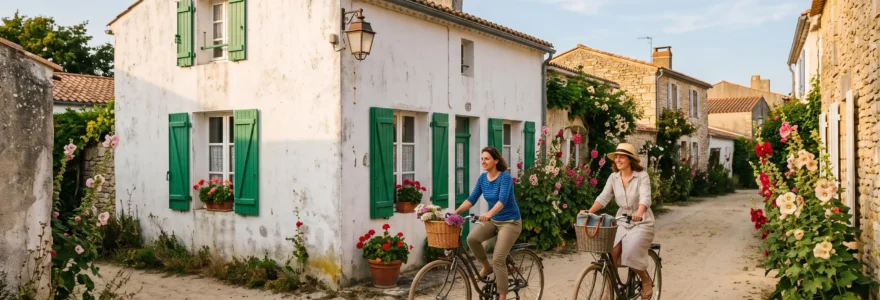
Direct answer: To spend a perfect weekend on Île de Ré, pick a two-day loop you can actually ride: Day 1 for villages and markets (with a long stop in Saint-Martin-de-Ré), Day 2 for beaches, salt marshes and slower cycling—checking market days, tides and seasonal opening times before you leave.
If you are wondering what to do on Île de Ré in a weekend, the key is not to “see it all”, but to follow a logical order that avoids backtracking. The island offers many tempting villages, beaches and nature stops, and that abundance is exactly what can make planning stressful.
This guide lays out a ready-to-use perfect weekend itinerary on Île de Ré, structured by morning/afternoon/evening with realistic pacing. You will also find the logistics that usually trip people up: how to get in, how to move around by bike, and what to verify depending on season and crowds.
Your no-stress Île de Ré weekend plan
- Day 1: morning market, then Saint-Martin-de-Ré for a long afternoon, sunset by the coast.
- Day 2: a beach morning, salt marshes mid-day, slow cycling and an easy final evening.
- Best move: explore by bike and cluster stops by area to avoid “just one more village”.
- Verify before you go: market opening days/hours, tide times for beaches/marsh scenery, and seasonal crowd peaks.
- Access note: the bridge is a toll crossing with prices that vary by season and vehicle class.
Why Île de Ré Is Ideal for a Weekend Getaway
Île de Ré works especially well for a short break because it is compact and easy to “read”: you can link villages, beaches and nature without losing half your weekend in transit. A two-day stay is enough to get the island feel—whitewashed streets, Atlantic light, markets, and long stretches of cycle path—if you sequence your stops instead of hopping randomly.
Each village has its own atmosphere, so a good weekend is about choosing contrasts: a lively harbour town for the afternoon, a quieter beach for the morning, and a salt-marsh stop when you want the pace to drop. That mix is what makes the itinerary memorable, even if you skip a few names on the map.
Finally, the island’s rhythm is naturally “service-friendly”: mornings are for markets and easy rides, afternoons for one main village visit, and evenings for a sunset detour before dinner. Build your plan around those moments and you will feel like you had more time than you actually did.
How to Get to Île de Ré and Get Around?
You reach Île de Ré via the bridge from the mainland. Practical detail to factor in early: crossing the bridge involves a toll managed by the Département de la Charente-Maritime, and the price varies by season and vehicle class (so it is worth checking close to your travel date).
If you plan to drive, look up the tarifs officiels du péage du pont before you lock your budget and arrival time. The official site also displays a “tariff of the day”, which can change depending on when you travel.
Is Île de Ré doable in a weekend without a car?
Yes—if you choose accommodation that gives you immediate bike access, and if you commit to a two-day loop rather than trying to “cover the whole island”. The experience is often smoother without a car in busy periods, because parking pressure is one of the classic weekend stress points.
The island is well set up for cycling: a travel media article citing the local tourist office describes an island roughly 30 km long, with a cycling network of 150 km linking the ten communes. That makes getting around Île de Ré by bike the most natural way to travel village-to-village without overplanning.
For context on distances and the cycling network described above, see this overview on dimensions et réseau cyclable de l’île. Treat it as planning help rather than a real-time conditions report, and still verify route status locally if you travel in winter or after storms.
Bike, car, or a mix: what’s the easiest setup for two days?
For a short stay, the simplest setup is usually: sleep in or near a central village, rent bikes nearby, and keep your “must-dos” within one broad side of the island per day. That reduces decision fatigue and keeps your schedule realistic.
Here is a clear comparison you can use when deciding your weekend logistics:
| Criteria | Car-based weekend | Bike-first weekend |
|---|---|---|
| Flexibility between villages | High, but can be slowed by parking and peak traffic | High for short/medium hops, predictable timing on cycle paths |
| Stress level in peak season | Can rise (parking, bridge timing, village centres) | Often lower if you avoid the busiest midday windows |
| Best use case | Travelling with lots of gear or limited mobility needs | Short break focused on villages, markets, beaches and scenery |
When is the best time to visit, and what seasonal constraints matter?
The best time depends on what you want to optimize: warmth and lively markets versus space and quiet cycling. What matters for planning is that opening days and hours change by season—especially markets—and that crowds can reshape travel times in summer weekends.
As a concrete example of how variable it can be, the official Destination Île de Ré tourist office notes that market opening days vary by season, with daily opening in July–August for some markets. Before you travel, confirm the horaires saisonniers des marchés rétais (and check the specific village you plan to visit, not only one market page).
Timing reality check for a weekend: in peak summer, plan earlier starts (markets/beaches) and later village strolls to avoid the densest midday windows.
Day One: Villages, Markets and Coastal Highlights
Day One works best if you anchor your morning around a market, then devote your afternoon to one “main” village instead of trying to tick off four. This is the day to enjoy the most iconic harbour atmosphere and get your bearings—without rushing.
Morning (9:00–12:00): market first, then a gentle ride
Start with a covered market where you can pick up fruit, cheese, bread, and—if you enjoy it—oysters to snack on later. The exact opening days and hours depend on the season, so verify before leaving; the official tourist office explicitly notes that market schedules change across the year.
After the market, ride to your next stop at an easy pace and keep it simple: one beach viewpoint or a quick harbour pause is enough before lunch. For timing, count on a short bike hop between neighbouring villages rather than a long cross-island ride on Day One; it keeps your afternoon flexible if you linger at stalls.
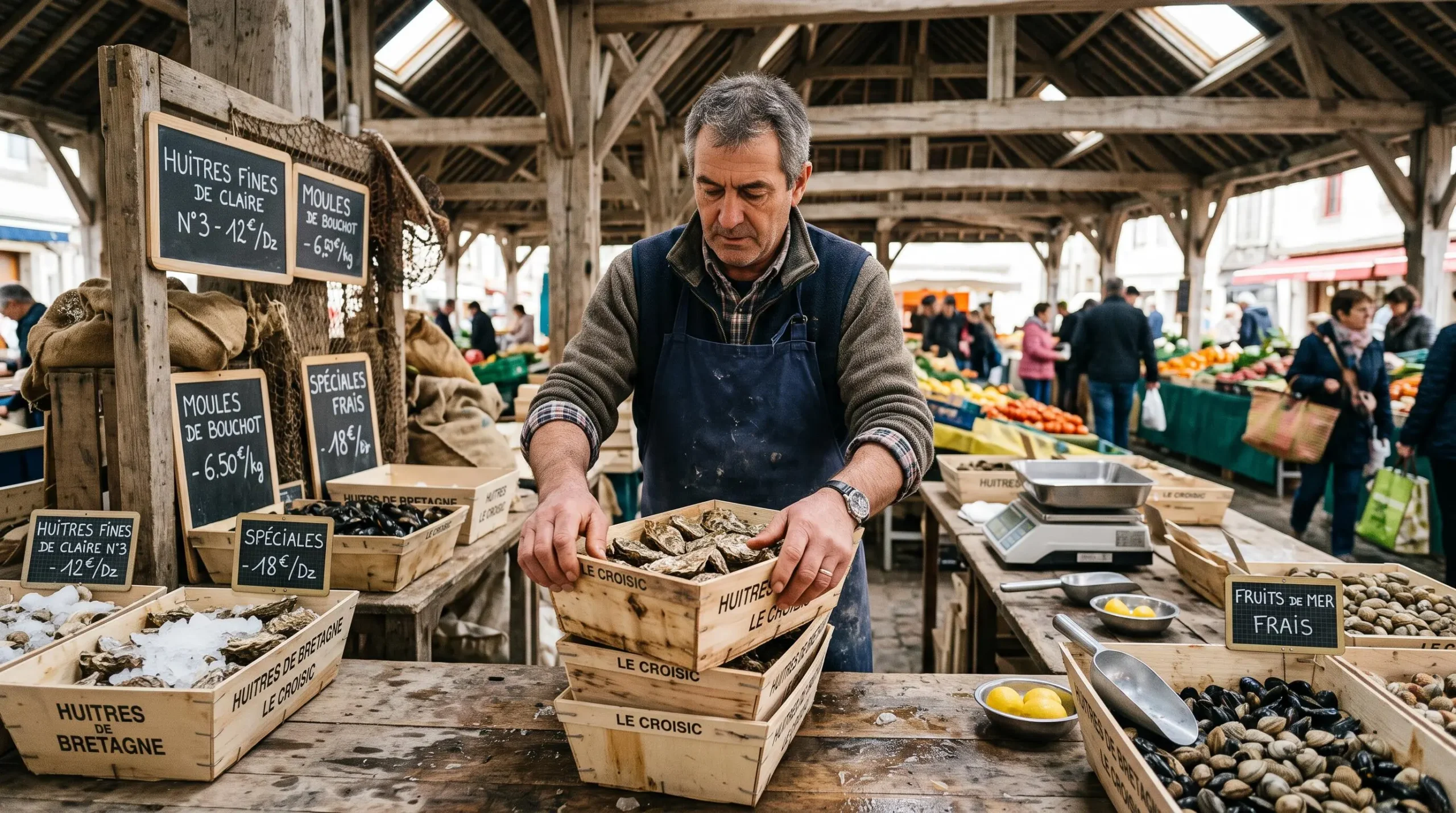
Afternoon (13:30–17:30): make Saint-Martin-de-Ré your “one big visit”
Dedicate your afternoon to Saint-Martin-de-Ré. It is the kind of place where a “quick stop” turns into two hours—harbour views, small streets, and plenty of places to pause—so scheduling it as the main block helps you stay relaxed.
Practical pacing: arrive after lunch, lock your bike, then do the village on foot. If you are cycling from a nearby base, treat it as a straightforward ride you can repeat without stress; if you are coming from farther away, shorten the morning ride to protect this afternoon slot.
If you are worried about overcrowding, shift your stroll slightly away from the busiest harbour edge: pick one or two parallel streets, keep one café stop, and save the most photogenic harbour loop for later in the afternoon when day-trippers start to drift away.
Evening (18:00–21:30): a sunset detour that feels “worth it”
Before dinner, plan one small coastal detour for golden hour. Choose a beach or open shoreline near your sleeping base so you are not cycling long distances in the dark—especially outside summer when daylight drops earlier.
Travel-time rule of thumb for the evening: keep the ride to a comfortable distance you can do twice (out and back) without watching the clock. If winds pick up—as they can on the Atlantic coast—swap the open-beach plan for a more sheltered harbour walk.
Day Two: Beaches, Salt Marshes and Slow Living
Day Two is where you slow the tempo down: fewer “stops”, longer moments. The aim is to leave with the island’s quieter side in your memory—broad beaches, salt-marsh light, and unhurried cycling—rather than a checklist.
Morning (9:00–12:30): choose a beach that matches the day’s conditions
Pick your beach based on wind and tide, not on reputation alone. On some days, a wide open Atlantic-facing stretch feels perfect; on others, you will prefer a more sheltered spot. Because tide levels can change how a beach feels (how much sand is actually available, and when), check tide times close to your date using a reliable local source.
To avoid crowds in peak season, arrive earlier, then leave the sand around late morning—exactly when many visitors are just settling in. That single timing choice can make a weekend beach visit feel calm, even in summer.
Mid-day (13:30–16:30): salt marshes for a different side of the island
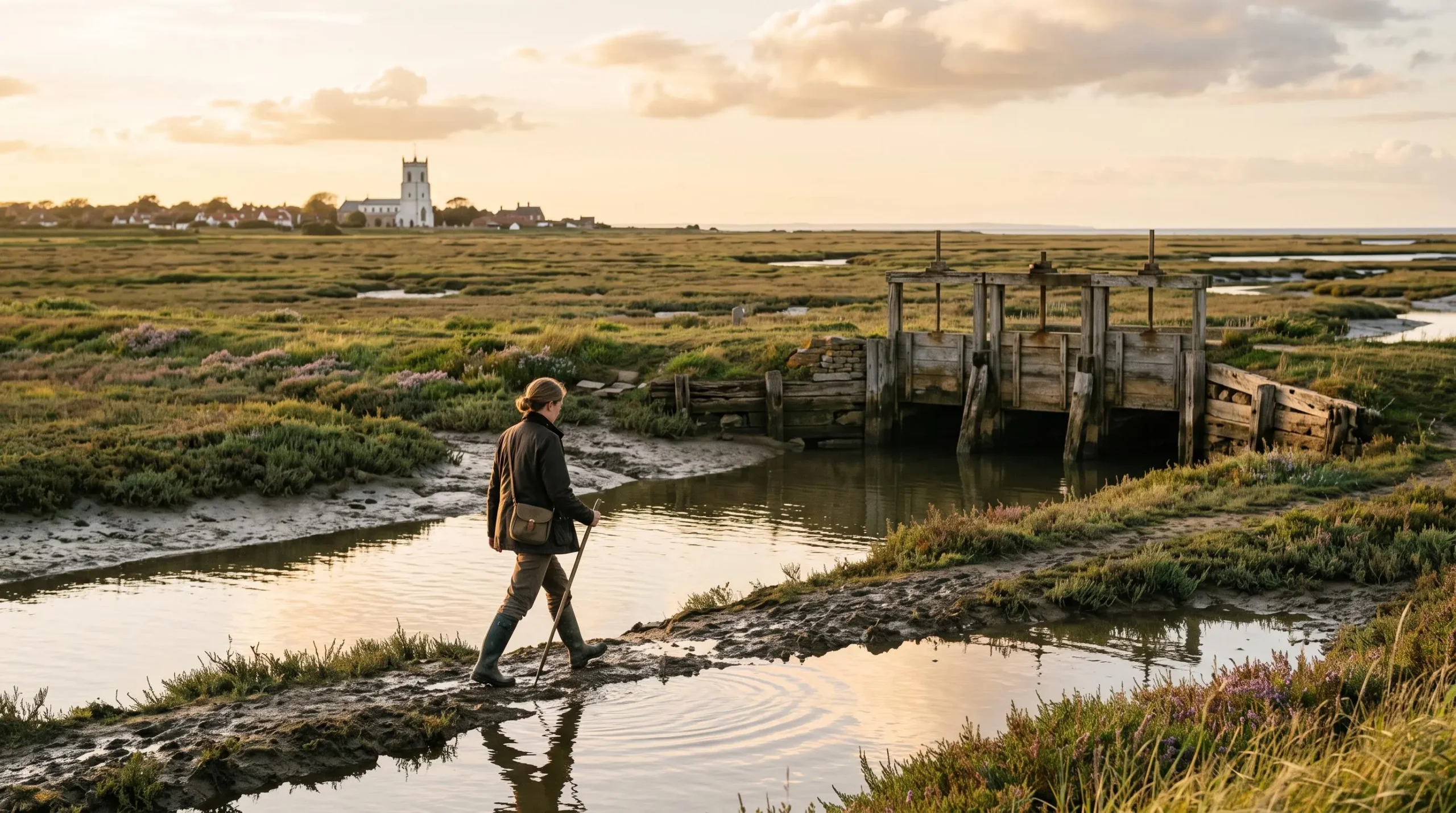
Plan a salt-marsh stop in the middle of the day, when you are happy to trade swimming for scenery. It is a distinctive Île de Ré experience: flat horizons, narrow channels, and a quieter atmosphere than the beaches.
Keep the visit simple: a short walk and a photo break are enough to reset your pace. As with beaches, conditions can be affected by tides and season, so verify what you can access and what makes sense on the day (especially outside summer).
Late afternoon (17:00–19:30): a short, scenic ride—then stop early
Use the late afternoon for a final scenic ride between two villages you have not seen yet—without turning it into a marathon. The best end-of-weekend feeling comes from stopping early on purpose: one drink, one last viewpoint, and time to pack without rushing.
If you are leaving the island the same evening, build in buffer time. Bridge traffic and parking can add unpredictability at peak changeover times, and the bridge toll varies by season, so you do not want a last-minute surprise to dominate your final hour.
Where to Eat, Drink and Unwind on the Island?
Food planning is easiest if you align it with your route. Markets are your best low-effort option for breakfasts and picnic supplies, while harbourside villages make the most convenient places for dinner—especially when you want to park bikes once and relax.
What to look for on a short stay: simple seafood plates, seasonal produce from market stalls, and casual terraces where you can linger without overcommitting to a long meal. If you prefer a quieter evening, eat slightly earlier than the busiest dinner wave, then take a short post-meal walk along the harbour.
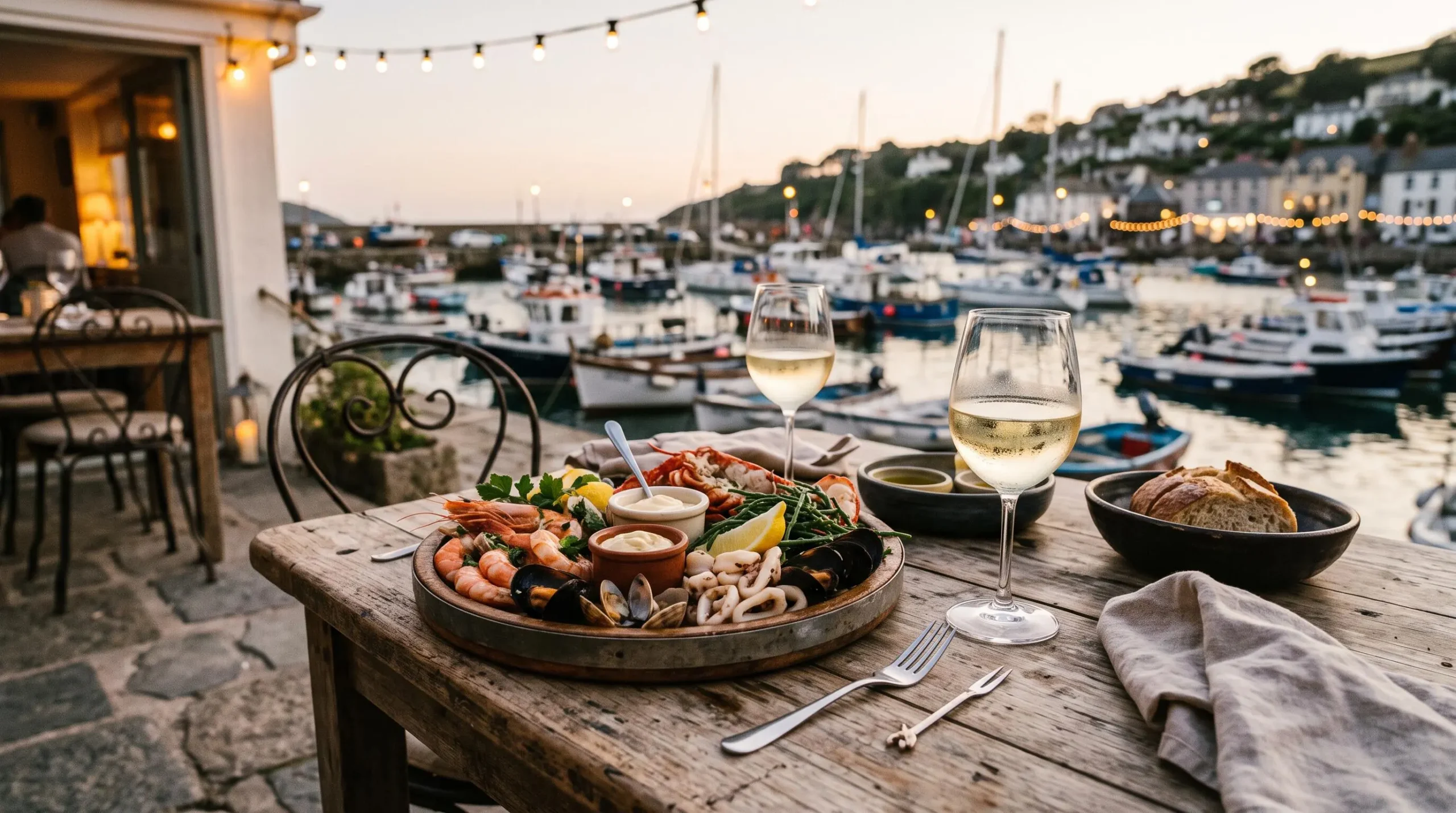
If you want to keep the weekend feeling going, borrow a few ideas from this beachside guide and adapt them to your Île de Ré picnic and sunset stops.
Is it possible to see Île de Ré in just two days?
Yes—if you prioritize. A realistic plan is to focus Day 1 on one main village visit (often Saint-Martin-de-Ré) plus a market, then use Day 2 for a beach morning and salt marshes. Trying to cover every village usually creates stress and wasted travel time.
What should I visit on Île de Ré to avoid crowds in peak season?
Use timing rather than distance: start beaches and markets earlier, take a long village break in mid/late afternoon, and keep one “quiet” stop (salt marshes or a less central shoreline) when the harbours are busiest. Also, verify seasonal opening hours so you do not funnel into the same places at the same time as everyone else.
How do I plan market visits without ending up at closed doors?
Check market pages on the official Destination Île de Ré tourist office close to your travel date. It explicitly states that opening days vary by season, and some markets switch to daily opening in July–August, while other periods can include weekly closing days.
Now you have a weekend itinerary that is ambitious enough to feel complete, but paced enough to stay enjoyable. If you keep one rule in mind—sequence beats quantity—your Île de Ré break will feel like a real reset, not a race.